


Nutrition Support for GLP-1 Weight Loss Protocols - How to Minimize GLP-1 Side Effects
As promising as GLP-1 weight loss protocols are, for both weight loss and cardiometabolic markers, the research is starting to come back on long-term use of GLP-1s, and long-term discontinuation without functional support. What’s clear is that the benefits of GLP-1 weight loss protocols are not long-lasting on their own.
Unfortunately, the harmful effects caused by a drastically slowed digestive system on inflammation, hormone balance, and metabolic health last long after stopping a GLP-1… that is, unless the individual also receives guidance and functional support to address the systems being impacted.
The Research is Clear
As promising as GLP-1 weight loss protocols are, for both weight loss and cardiometabolic markers, the research is starting to come back on long-term use of GLP-1s, and long-term discontinuation without functional support. What’s clear is that the benefits of GLP-1 weight loss protocols are not long-lasting on their own.
Unfortunately, the harmful effects caused by a drastically slowed digestive system on inflammation, hormone balance, and metabolic health last long after stopping a GLP-1… that is, unless the individual also receives guidance and functional support to address the systems being impacted.
It comes down to this - Long-lasting success without the harmful side effects of GLP-1 use is possible. The key is proactivity.
Hello, my little muffin tops. I’m Hilary Beckwith, ex-dieter and functional health expert. Women with PCOS/PMOS, IBS, and autoimmune conditions come to see me with signs of adrenal stress, insulin resistance, and inflammatory conditions, and my job is to find the root causes so we can address their symptoms more effectively and fill in the gaps between their lab values and how their body actually feels. Before you continue, click here to read my Medical Disclaimer.
In this article, you’ll learn:
How GLP-1s work
What the research is saying about GLP-1 use - during and after
Steps to mitigate side effects and get lasting results
the desire to feel seen…
For decades, women have been taught to stay small - both in size and in expression. As absurd as it is to see it typed out, the truly infuriating part is that many of us live in a constant state of belief that we are, indeed,too much.
Right or wrong, this belief and its ever-present desire to shrink is exactly what drives us to dangerous health trends like restrictive diets and weight-loss meds (remember Fen-Fen?). We develop eating disorders, we grasp at every diet, supplement, and workout protocol that promises a bikini body, all with the hope that we will finally become small enough to be seen and accepted. (I’m not crying, you’re crying!)
I see you, friend. And as infuriated as I am that we live in a world that works hard to keep us so small, I also understand the realities of navigating these expectations and beliefs. That’s why, instead of staying silent in my anger, I want to help you get the most benefit out of your GLP-1 weight loss protocol, without the harmful long-term effects.
how GLP-1s work
So here we are in a skinny-obsessed era, and GLP-1s are playing a major role. They’re touted as a miracle drug because, in addition to easy weight loss, they also improve cardiometabolic markers and blood sugar stability markers.
But those improved markers come at a big cost - the negative health impacts of drastically slowed digestion, if not mitigated with functional health support, can lead to increased intestinal permeability (leaky gut syndrome), damaged and inflamed intestinal tissue, bowel toxicity, sex hormone imbalances, and increased risk of SIBO, candida overgrowth, parasites, and gallstones. Not to mention a major disconnect from your body’s intuition and relationship with food. I go into more detail about the negative health impacts of GLP-1 weight loss protocols here.
This post is focused on practical steps you can take to stay proactive in your GLP-1 weight loss journey to support functional health and enjoy lasting benefits of GLP-1 use that would otherwise disappear with time.
In order to understand how to support functional health while undergoing a GLP-1 weight loss protocol, it’s important to understand how GLP-1s work.
HOW DO GLP-1S WORK?
GLP-1, or Glucagon-Like Peptide, is a naturally occurring hormone produced in the body after meals to stop the release of stored glucose from the liver, fat, and muscle; it also stimulates insulin release and slows gastric emptying (the rate at which chewed food enters the intestinal tract). The effects of endogenous GLP-1 last for 1-2 minutes.
GLP-1 agonists are a synthetic form of GLP-1 that can be injected to simulate the effects of endogenous GLP-1s. The effects of exogenous GLP-1s (GLP-1 medications) typically last for one week.
When using GLP-1 agonists (going forward, I will refer to GLP-1 medications as “GLP-1s”) for weight loss, the goal is to drastically slow digestion in order to keep individuals feeling full for longer periods of time, in order to eat fewer calories, and thus, lose weight.
during and after GLP-1 weight loss
The clinical research has been largely unanimous in showing GLP-1 weight loss protocols improving cardiometabolic markers (inflammatory markers, HbA1c, blood pressure, and cholesterol, in addition to rapid and steady weight loss.
For this reason, GLP-1s have been touted as a miracle drug, as these improved markers can significantly lower an individual’s risk for cardiovascular disease. But patients are not being told the whole story.
The research is finally starting to surface on the long-term health impacts of GLP-1 weight loss protocols.
HERE’S WHAT RESEARCHERS ARE FINDING:
MOST OF THE WEIGHT IS REGAINED - In a recent systematic review, it was found that roughly 60% of the weight lost using a GLP-1 weight loss protocol was regained within about 1-2 years.
INCREASED RISK OF SARCOPENIA - Sarcopenia is a loss of muscle mass. Because most of the weight lost with GLP-1s is lean mass (i.e. muscle tissue), this results in a drastic loss of muscle which can be dangerous, and unsupportive of long-term metabolic health. Muscle mass is essential to maintaining insulin sensitivity, bone density, and mobility.
Additionally, it’s been found that much of the weight regained after discontinuing a GLP-1 weight loss protocol returns as adipose (fat) tissue, not the lean mass that was lost. This causes downstream issues with hormone imbalance, increased inflammation, and metabolic issues.
CARDIOMETABOLIC MARKERS RETURN - Similarly, a recent meta-analysis showed that most pre-GLP-1 cardiometabolic markers returned after discontinuing a GLP-1 weight loss protocol.
INCREASED RISK OF GALLSTONES - Slowed digestion and motility, paired with an increased movement of fat, double the likelihood of gallstone formation, which can lead to inflammation, increased toxicity, and impaired fat digestion.
INCREASED RISK OF SIBO (SMALL INTESTINAL BACTERIAL OVERGROWTH) - While the GLP-1 itself can reduce certain inflammation markers, slowed motility greatly increases fermentation of food in the small intestine, feeding both harmful and beneficial bacteria, and giving them the perfect environment to thrive. This increase in harmful bacteria will ultimately lead to intestinal inflammation, bowel toxicity, and increased intestinal permeability, not to mention the discomfort of bloat, fatigue, suppressed immune activity (if unaddressed for too long), and constipation and/or diarrhea.
INCREASED RISK OF GUT PATHOGENS - A healthy digestive system acts as a frontline defense against pathogens ingested by food - yeast, bacteria, viruses, and parasites, mainly. Drastically slowing digestion reduces your body’s ability to disinfect food with sufficient levels of stomach acid, and the damaged mucosal lining of the intestines due to increased fermentation (see above) no longer carries the immune cells needed to further fight off and eliminate such pathogens.
DEHYDRATION - Sufficient, and even optimal, hydration is essential to blood volume, lymphatic flow (carries waste from tissues, carries immune cells to areas of need, etc.), nutrient transport throughout the body, and lubrication of muscle tissues and joints. GLP-1s significantly decrease thirst cues, leaving individuals on GLP-1 weight loss protocols dangerously dehydrated.
INCREASED RISK OF OSTEOPOROSIS - More research is needed to confirm this hypothesis, but an interesting paper published recently by UC Davis pointed out that reduced food intake leads to undernourishment, and undernourishment puts individuals at risk for bone loss, as the body cannot maintain bone density without the necessary dietary nutrients.
minimizing negative health effects of GLP-1s
Medications like GLP-1 and even nutritional supplements will only go so far if the root-causes of the symptoms you are addressing are left untouched.
A GLP-1 weight loss protocol might drop scale numbers, improve metabolic markers, and reduce inflammatory markers for a time, but unless you also address the underlying causes of the dysfunction that got you to that point - the research is clear - the results will not last.
YOU CAN HAVE THE BEST OF BOTH WORLDS
If you have made the decision to use GLP-1s to help you lose weight, and you want to enjoy the benefits for many years without creating a new onslaught of health problems - you must stay proactive. Here’s how to do that:
1) OPTIMIZE GUT HEALTH:“Gut Health” is more than just digestion and probiotics. It is the health of your intestinal tissues, the state of your microbiota, and the ability of your mucosal immune system to fight off harmful infections.
HOW TO DO IT: Gut health is highly individualized - there are no magic gut-support foods or probiotic supplements, because your gut has its own unique microbiome, mucosal health, and motility ability.
Seek out a functional practitioner who is trained to assess and address microbiome imbalances, dysbiosis, and inflammation. Address any findings and optimize inflammation, tissue health, and beneficial bacteria before disrupting it with slowed motility. (Click HERE to connect with me)
2) OPTIMIZE DIET: The weight lost on a GLP-1 weight loss protocol is primarily lean mass. Consuming good-quality protein and developing a strong routine for strength training will help to counter this. But when digestion is slowed, as it is with a GLP-1, there is little appetite for protein.
HOW TO DO IT: Prioritize protein-forward meals. If all you have the appetite for is a few bites of food, prioritize good-quality proteins. Click HERE to learn how to choose good-quality proteins. Most mild-to-moderately active individuals require 1.2-1.8 grams of protein per 1 kilogram of desired body weight.
3) OPTIMIZE HYDRATION: Sufficient hydration is important for bowel movements, blood pressure, and detoxification, but thirst cues are stunted when on a GLP-1.
HOW TO DO IT:Most individuals with normally functioning kidneys require a minimum of 0.5 fluid ounces per 1 pound of body weight daily. Electrolyte minerals are also essential to fluid balance within cells and tissues, especially if you may be undernourished from GLP-1 use. Click HERE to get a free pack of my favorite electrolyte supplement.
4) ADD RESISTANCE TRAINING: GLP-1 breaks down lean mass (muscle tissue), and most weight lost while on a GLP-1 weight loss protocol comes back as fat mass. Staying proactive in your strength training routine can help mitigate this loss. The best time to start this routine is before starting your GLP-1 weight loss protocol. The second best time is now.
HOW TO DO IT: Add 30 minutes of resistance training to your routine, at least 2-3 times per week. Building muscle supports insulin sensitivity long-term and will help you build up a reserve of lean mass. Working with a trainer who is knowledgeable in GLP-1 use is essential, as it may be unsafe to work out too intensely without proper nourishment. Start small, listen to your body’s cues.
5) MAKE A PLAN FOR PLEASURE: Suppressing appetite with GLP-1 use can potentially eliminate a major source of pleasure if you are a food lover like myself. Food releases dopamine and endorphins that block pain. Without this resource, you might risk seeking out other, potentially harmful sources of pleasure and comfort, such as recreational drugs, prescription pain medications, alcohol, scrolling, self-harm, video games, or unsafe sexual behaviors.
HOW TO DO IT: Make a list. Name 3-5 easy-to-access things that bring you comfort or joy, besides food. No need to reinvent the wheel, just keep it simple and fun, and try to avoid more addictive behaviors like scrolling or substances.
In the moment - When you find yourself reaching for those more harmful behaviors, or just wanting something to “take the edge off”, pick something from your list that feels accessible in that moment, and do it. “Catching” yourself in these moments and counteracting with a more positive behavior can help create new neural pathways, allowing the brain to learn new coping skills.
Staying proactive - Sometimes when we reach for these more harmful behaviors, it’s because we feel depleted - in the red, so-to-speak. Keeping your bucket full on a daily basis can help prevent those empty feelings. One way to do this is to schedule 1-3 of these items from your list into your day, every day.
Your list might include:
reading a chapter of a book
single-song dance party
gratitude journal
sitting/walking in nature (without headphones)
grab a coffee or tea at your favorite shop
jumping on a trampoline
tell yourself a silly joke (really!)
tell someone else a silly joke
was this helpful?
What’s your story navigating GLP-1 use? Has it been helpful? What’s been challenging about it, and how did you navigate it?
I hope you’ll share your thoughts in the comments below!




What They Didn’t Tell You About GLP-1 | GLP 1 Weight Loss and Functional Health
As you’ve seen here, the research is very clear - GLP-1s at higher doses help people improve cardiometabolic markers, support the function of insulin, and help people lose weight.
The research is also very clear that slower motility and rapid weight loss have many negative health effects, and that benefits seen while on a GLP-1 nearly reverse after discontinuing.
These are risks worth considering when exploring a GLP-1 weight loss protocol.
What is a GLP-1, really?
My biggest concern is not the GLP-1 medications themselves - my concern is with the absence of informed consent. It’s true that GLP-1s can improve markers of cardiac and metabolic health - but it is not a magical unicorn 🦄. Every health decision has its risks, and you deserve to be informed of those risks in their entirety.
As a functional health practitioner, part of my job is to question everything - especially in a world drowning in oversimplified health advice on TikTok and docs who won’t (or can’t) address anything that doesn’t fit neatly into a 15-minute appointment.
I’ve scoured the research and listened to what my own GLP-1 clients are saying, and I’m here to share the nuances and risks of being on a GLP-1 weight loss protocol.
Hello, my little love handles. I’m Hilary Beckwith, ex-dieter and functional health expert. Women with PCOS/PMOS, IBS, and autoimmune conditions come to see me with signs of adrenal stress, insulin resistance, and inflammatory conditions, and my job is to find the root causes so we can address their symptoms more effectively and fill in the gaps between their lab values and how their body actually feels. Before you continue, click here to read my Medical Disclaimer.
In this article, you’ll learn:
What is a GLP-1 agonist?
Short- and long-term effects of GLP-1 for weight loss
Things to consider before undergoing a GLP-1 weight loss protocol
How to minimize harmful effects if you are already on a GLP-1 weight loss protocol
Root causes of weight gain that are often overlooked
what is a GLP-1?
THE SCIENCE-Y BITS
To understand what a GLP-1 is, it helps to understand receptor sites. Every cell in your body has receptor sites for various hormones, molecules, and proteins. A common example of this that you may already be familiar with is insulin - insulin is a hormone that binds to insulin receptor sites to allow glucose to enter and be metabolized.
Think of the receptor site as a lock, and the hormone/molecule/protein is the key meant to fit into that lock. Receptor types vary from cell to cell, depending on what the cell’s function is.
The difference between a door lock and these receptor sites is that, to unlock a door, you would need a specific key, or an exact replica of that key, and both keys would both have the outcome of opening the lock. But in the case of receptor sites, there are many types of keys that will fit, and each produces a different action, depending on which key is used.
SO, WHAT IS A GLP-1?
Glucagon-like peptide, or GLP, has a similar structure to glucagon (a hormone produced by the pancreas) that enables it to bind to glucagon receptor sites on cells. Put differently, GLP is one of the many types of keys that can unlock the glucagon door, but has a different outcome than glucagon itself.
The number ‘1’ is simply a differentiation between this GLP and other GLPs that stimulate a different action when binding to receptors. GLP-1s are made naturally by the body and are released after eating, binding to glucagon receptor sites. Here’s what that does:
inhibit glucagon release
stimulate insulin release
slow the rate at which your food empties from your stomach into your intestines (called gastric emptying)
SO, WHAT IS GLUCAGON?
Glucagon is a hormone produced by the pancreas in times of low blood sugar or stress, that stimulates the release of stored glucose from the liver and fat tissue. Blood glucose levels rise, insulin is released, and shuttles glucose into cells to be converted into fuel called ATP (adenosine triphosphate). This is the same glucose metabolism that we referred to earlier.
I don’t want to minimize the “stress” component I just mentioned - it is a very important consideration in blood sugar management, but too complex to get into for this post. If you want to learn more about how stress impacts blood sugar, hormone balance, sleep, and inflammation, click HERE.
OKAY, SO WHAT IS A GLP-1 AGONIST?
A GLP-1 agonist is the medication we are discussing in this post - exogenous sources of GLP-1 that have been shown to lower cardiac risk, improve A1c values, and, yes, help people rapidly lose weight. Common examples of GLP-1 agonists include semaglutides, liraglutides, tirzepatides, and exenatides.
The biggest difference between a GLP-1 agonist (exogenous), and GLP-1 produced by your body (endogenous), is that the impacts of endogenous GLP-1 are meant to last only 1-2 minutes, whereas the impacts of exogenous GLP-1 last for about 1 week.
Chances are, your prescriber has only told you that the benefit of exogenous GLP-1 is that it will cut “food noise” and help you feel full for longer so that you’ll eat less (yay?).
What they didn’t tell you is how that prolonged effect negatively impacts digestion, inflammation, gut health, and causes undernourishment, impacting a wide range of body systems.
LET’S SUMMARIZE:
GLUCAGON: a hormone produced by the pancreas in times of stress or low blood sugar, that stimulates the release of stored glucose from the liver and fat tissue, and to some extent, muscle.
ENDOGENOUS GLP-1: a molecule released after meals that binds to glucagon receptor sites to inhibit glucagon release, stimulate insulin release, and slow gastric emptying for about 1-2 minutes, helping to jumpstart glucose metabolism after eating.
EXOGENOUS GLP-1: a synthetic form of endogenous GLP-1 that has the same effect, but for a much longer period - about 7 days.
For the sake of simplicity, I will refer to exogenous GLP-1s (GLP-1 medications) as “GLP-1s” throughout the rest of this post.
GLP-1 weight loss protocols have their downsides
GLP-1 meds are not new. They’ve been used for 10+ years at much lower doses than they currently are for weight loss, to help those with Type II Diabetes manage blood glucose levels more effectively.
They’ve become trendy in recent years because it was discovered that at higher doses, a patient can lose weight rapidly without even trying. And isn’t it our goal, especially as women, to be as small as we can be? (where is the sarcastic font?)
Sarcasm aside, the fact is that people want to lose weight, and they want it to be easy - and GLP-1s make weight loss easy. I get why that’s appealing. For those who have tried ALL the diets, and ALL the workouts, ALL the supplements, this might seem like a dream come true.
Let’s look at the research and talk about what to consider when starting a GLP-1 weight loss protocol.
health effects of GLP-1 weight loss protocol
IMPROVES CARDIOMETABOLIC MARKERS
YAY! For someone who is at severe, or even moderate, risk for cardio events, suffers from chronic illness that can make preventative actions more difficult, or for someone who has limited capacity to understand and execute this process - great!
HERE’S WHAT’S MISSING:
Cardiometabolic markers include markers like blood pressure, HbA1c, and lipid markers (cholesterol, triglycerides). For someone who is not at severe or even moderate risk for a cardiac event, these markers can be improved more effectively by addressing early signs of metabolic dysfunction. A GLP-1 might stabilize those numbers while actively taking a GLP-1, but it all falls apart once you discontinue the GLP-1 and have made no changes to your diet or lifestyle.
Early signs of metabolic dysfunction include:
“hangry” between meals
trouble falling asleep, or staying asleep
sugar cravings
inflammatory conditions (acne, eczema, persistent pain, autoimmune diagnoses)
hormone imbalances (PCOS/PMOS diagnosis, irregular periods, mood instability, PMS symptoms.
Addressing these early signs through a functional health lens will ensure the results last beyond the duration of the GLP-1 meds.
QUIETS “FOOD NOISE”
YAY! Many of us are drowning in social media posts and marketing that uses fear-based tactics to get us to eliminate certain food groups, or that one superfood ingredient or supplement will change. our. lives. - this gets us overthinking about food - and that sh*t gets noisy! So, yeah, a medication that cuts that noise is appealing to those of us who feel overstimulated and confused.
HERE’S WHAT’S MISSING:
The mechanism by which GLP-1s eliminate “food noise” is by increasing and prolonging the feeling of satiety. One method it uses to do this is by delaying gastric emptying and slowing digestive motility - for an entire week!
Slowing down your digestion is a BIG problem. A healthy digestive system is wired to disinfect your food, move waste out of your system, and absorb nutrients that come from the food you are ingesting. Here’s what happens when your digestion moves too slowly:
Constipation - Feces are an important elimination pathway for toxins. When you are constipated, toxins become reabsorbed into your bloodstream, and can then become reactivated. It’s not just toxins from your food that are eliminated by feces - many toxins that are deactivated by the liver, also use feces as an elimination pathway, including:
excess steroid hormones that your liver has deactivated in order to maintain balance (estrogen, progesterone, cortisol, etc.)
debris from harmful viruses, bacteria, or other pathogens that your immune system has fought off
Increased SIBO risk (and other harmful microbes) - Stomach acid and motility are the two primary mechanisms your digestive system uses to eliminate harmful microbes, including opportunistic bacteria (leading to SIBO), parasites, candida/yeast, and viruses. The proliferation of these microbes leads to increased inflammation, increased cortisol levels, and a damaged gut lining (leaky gut, intestinal permeability). The longer food sits in your intestines, the more it will ferment and give these microbes the perfect environment to proliferate.
WEIGHT LOSS
While it may not be true across the board, weight loss is the main appeal for GLP-1 use in the populations I work with. And at higher doses, GLP-1s have been effective for weight loss ultimately by decreasing appetite and thereby restricting calorie intake.
HERE’S WHAT’S MISSING:
Calorie restriction over time actually slows metabolism. While the pounds practically melt off during a GLP-1 weight loss protocol, the research shows that calorie restriction over time will actually slow your body’s natural ability to burn calories. And since the primary weight loss mechanism of GLP-1 meds boils down to calorie restriction - it’s worth considering what life looks like after you stop taking it.
Liver congestion, toxic burden, chronic stress, and underlying infections are common non-calorie causes of weight gain.
If you are someone who really struggles to lose weight even though you’re doing all the “right” things - then calories are likely NOT the reason you can’t lose weight. Your body will hold onto fat stores and inhibit fat breakdown in cases of infection, stress, and hormone imbalances. Click HERE to read more about non-calorie causes of weight gain.
UNDERNOURISHMENT - I cannot overstate how important this topic is. While your scale numbers are going down, your lack of appetite will eventually lead to a body that is using its resources faster than you can replenish them.
Every function in your body requires nutrients. To name a few examples, glucose metabolism requires magnesium and many B- vitamins. Liver function and detoxification requires B vitamins, amino acids, cholesterol, and many minerals. Mood regulation largely relies on amino acids. “Full” does not equal “fueled”.
what the research shows
We’ve talked about the common claims of a GLP-1 weight-loss protocol, and the reality is all of them track. At the right dose, GLP-1s do live up to the hype of weight loss, improved cardiometabolic markers, and cutting the “food noise”.
Each of those claims comes with its own nuance that we also covered. The claims themselves are making it into the informed consent - but the nuances are not.
ADDITIONAL NEGATIVE HEALTH EFFECTS OF GLP-1s:
DEHYDRATION: By increasing satiety, GLP-1s also decrease thirst cues, leaving you dehydrated. Why is hydration so important? Optimal hydration is needed for removal of waste through your lymphatic system, sweat, urine, and feces. Optimal hydration can also improve blood pressure by increasing blood volume, and helps lubricate joints, muscles, skin, and eyes. Sufficient hydration requires water AND well-balanced electrolyte minerals to draw the water into cells and tissues - nourishment and hydration go hand-in-hand.
INCREASED RISK OF GALLSTONES: Gallstones form when bile cannot move fluidly through the common bile duct and into your digestive tract. Because bile is formed from cholesterol, the increased movement of fat due to GLP-1s increases the concentration of fat in bile, making it more sluggish and increasing the likelihood of developing gallstones.
WEIGHT REGAIN AFTER GLP-1: A recent systematic review found that 60% of weight lost while on a GLP-1 weight loss protocol was regained in participants. What’s more, another study found that the weight regained came back asfat mass, not the lean mass that was lost.
RETURN OF CARDIOMETABOLIC MARKERS: The HbA1c, the blood pressure, the cholesterol, the lipids - those markers might improve while on a GLP-1 weight loss protocol, but this meta-analysis found that these markers, in addition to 2/3 of lost weight, were regained after discontinuing GLP-1.
BONE DENSITY LOSS DUE TO UNDERNUTRITION: A paper published in December, 2025 by UC Davis pointed out that essential nutrients are being missed when people are underfed, and especially those that support bone health.
how to prepare your body for success even after GLP-1s
As you’ve seen here, the research is very clear - GLP-1s at higher doses help people improve cardiometabolic markers, support the function of insulin, and help people lose weight.
The research is also very clear that slower motility and rapid weight loss have many negative health effects, and that benefits seen while on a GLP-1 nearly reverse after discontinuing.
These are risks worth considering when exploring a GLP-1 weight loss protocol.
Medications like GLP-1 and even nutritional supplements will only go so far if you are not also addressing root causes of the symptoms, issues, or conditions they are meant to support. GLP-1s on their own are only going to help while actively on them, but addressing functional health in addition to GLP-1s can set you up for long-term success.
STEPS FOR ADDRESSING FUNCTIONAL HEALTH WHILE ON A GLP-1 WEIGHT LOSS PROTOCOL:
OPTIMIZE GUT HEALTH: “Gut Health” is more than just digestion and probiotics. It is the health of your intestinal tissues, the state of your microbiota, and the ability for your mucosal immune system to keep you from harmful infections.
CURRENTLY ON A GLP-1: Seek out a functional practitioner trained to assess and address microbiome imbalances, dysbiosis, and inflammation.
BEFORE GLP-1: Seek out a functional practitioner trained to assess and address microbiome imbalances, dysbiosis, and inflammation. Address any findings and optimize inflammation, tissue health, and beneficial bacteria before disrupting it with slowed motility.
OPTIMIZE DIET: Lean mass is primarily what is lost when on a GLP-1 weight loss protocol. Consuming good-quality protein and developing a strong routine for strength training will help to counter this. But when digestion is slowed, as it is with a GLP-1, there is little appetite for protein. Here’s how to get ahead:
CURRENTLY ON A GLP-1: Think “protein-forward” meals. If all you have the appetite for is a few bites of food, prioritize good-quality proteins. Click HERE to learn how to choose good-quality proteins.
BEFORE GLP-1: Get in the habit of consuming sufficient protein before starting your GLP-1 (this will require optimizing digestion, too). Most people with a regular strength training routine need about 1.2-1.8 grams of protein per 1 kilogram of desired body weight.
OPTIMIZE HYDRATION: Sufficient hydration is important for bowel movements, blood pressure, and detoxification, but thirst cues are stunted when on a GLP-1.
CURRENTLY ON A GLP-1: Begin putting tools into action that will help remind you to drink. Phone or watch alarms, visual cues, notes - whatever works best for your lifestyle and habit development. Most individuals with normally functioning kidneys require a minimum of 0.5 fluid ounces per 1 pound of body weight, daily. Electrolyte minerals are also essential to fluid balance within cells and tissues, especially if you may be undernourished from GLP-1 use. This is my favorite electrolyte product.
BEFORE GLP-1: (same as above)
RESISTANCE TRAINING: GLP-1 breaks down lean mass (muscle tissue), and most weight lost while on a GLP-1 weight loss protocol comes back as fat mass. Staying ahead of strength training and muscle-building can help mitigate this effect.
CURRENTLY ON A GLP-1: Begin building a strength training routine 2-3 times per week. Working with a trainer knowledgeable in GLP-1 use is essential, as it may be unsafe to work out too intensely without proper nourishment.
BEFORE GLP-1: Get in the habit of strength training before you start a GLP-1, at least 2-3 times per week. This will support insulin sensitivity, build up a reserve of lean mass, and condition your body to handle resistance training, rather than starting new while on a GLP-1.
PLAN FOR PLEASURE: For many (myself included), food is pleasure, and even comfort. In fact, food can actually release dopamine and endorphins to block pain. If this is you, a GLP-1 will remove an important source of joy and comfort in your life by suppressing your appetite for food. The key is to plan ahead and make sure you have other sources for coping when appetite is suppressed.
CURRENTLY ON A GLP-1: It’s not too late for you. Before you do anything else, make a list. Name 3-5 easy-to-access things that bring you comfort or joy, besides food. No need to reinvent the wheel, just keep it simple and fun, and try to avoid more addictive behaviors like scrolling or substances. Your list might include:
reading a chapter of a book
single-song dance party
gratitude journal
sitting/walking in nature (without headphones)
grab a coffee or tea at your favorite shop
jumping on a trampoline
tell yourself a silly joke (really!)
tell someone else a silly joke
BEFORE GLP-1: Same as above, but now you have time to implement these alternative behaviors before the appetite suppression from a GLP-1 makes it more challenging.
learn something new?
What was your biggest takeaway from this article? Leave your thoughts and questions in the comments below, and I will do my best to respond soon!
Want help getting off a GLP-1 weight loss protocol?

Interstitial Cystitis Nutrition Support | The Link Between Interstitial Cystitis and Candida
Interstitial Cystitis sometimes gets misdiagnosed as chronic UTIs, and when all the antibiotics and cranberry juice does'n’t seem to cut it (or maybe only provides short-term relief), you’re left feeling confused and [still] in pain.
I’m going to dive into interstitial cystitis treatment later in the post - but first we’re going to talk about candida.

Your Interstitial Cystitis Symptoms May Be Linked to a Candida Overgrowth
Life with interstitial cystitis is painful to say the least. It’s not just the pain that comes with urination, or between pee breaks…
It’s the pain of intentionally not drinking enough water in an effort to minimize pee breaks
It’s the frustration of doctors telling you there is no known cause or solution
It’s saying no to friends’ invites because you’re too uncomfortable or won’t have easy access to a toilet
It’s losing sleep, night after night, at the mercy of your irritated bladder
I see you, my little muffin top. And I have some new information for you that will help.
You do not have to live with this condition forever. I can help you get sweet relief from your interstitial cystitis symptoms.
Hi kittens. I’m Hilary Beckwith, ex-dieter and functional health expert. Women with PCOS or who are in perimenopause come to see me with signs of adrenal stress, insulin resistance, and inflammatory conditions, and my job is to find the root causes so we can address their symptoms more effectively and fill in the gaps between their lab values and how their body actually feels. Before you continue, click here to read my Medical Disclaimer.
In this article, you’ll learn:
interstitial cystitis symptoms
candida overgrowth symptoms
why candida overgrowth treatment may improve your interstitial cystitis symptoms
how to treat interstitial cystitis and candida overgrowth, naturally and effectively
interstitial cystitis symptoms
IYKYK, right?
If you’ve been told you have interstitial cystitis (IC), you’ve probably also been told there is no known cause or substantial treatment.
And if you don’t know what IC is, or are trying to get some answers behind your own symptoms, here are some common symptoms of IC:
painful urination, with relief after peeing
chronic pelvic pain between the vagina and anus (between the scrotum and anus for male-bodied)
frequent, persistent, and urgent need to pee
pain during sex
IC sometimes gets misdiagnosed as chronic UTIs, and when all the antibiotics and cranberry juice doesn’t seem to cut it (or maybe only provides short-term relief), you’re left feeling confused and [still] in pain.
I’m going to dive into interstitial cystitis treatment later in the post - but first we’re going to talk about candida.
candida overgrowth symptoms
Candida is a type of yeast that exists in small amounts in most humans, but can become very problematic when it is given an environment to proliferate and thrive, leading to chronic health conditions such as autoimmune disease, chronic fatigue syndrome, fibromyalgia, and chronic digestive symptoms that are often misdiagnosed.
Click here to read more about conditions commonly associated with candida overgrowth.
For the sake of this post’s topic, here is a list of common candida overgrowth symptoms:
brain fog
bloating
constipation
frequent hunger
sugar or carb cravings
poor stress management
eczema
acne
depression or anxiety symptoms
blood sugar management issues (irritability, headache, or shaky when hungry)
chronic nail fungus on fingernails or toenails
chronic vaginal yeast infection symptoms
chronic thrush, or yeast infection symptoms in the mouth
difficulty losing weight
weight gain around the belly and hips
signs of insulin resistance
addressing candida overgrowth may also improve interstitial cystitis symptoms
Many practitioners say there is no known cause for IC, and that interstitial cystitis treatment isn’t substantial - in other words, if you have IC, sucks to be you, right? But research suggests they may be looking in the wrong places.
I specialize in working with female-bodied adults with inflammatory conditions - this means I work to uncover hidden causes of inflammation in their bodies so that we can improve inflammatory symptoms, like cystic acne, autoimmune disease, fibromyalgia, persistent and chronic pain, IBS symptoms, and yes, interstitial cystitis.
Interstitial cystitis is an inflammatory condition - it occurs when the tissues inside the bladder become inflamed.
THE STRESS BUCKET ANALOGY
Think of your body like a bucket. Every single stressor - every injury, every emotional or physical trauma, every infection, every work deadline, every heated interaction with a partner - is a drop in the bucket.
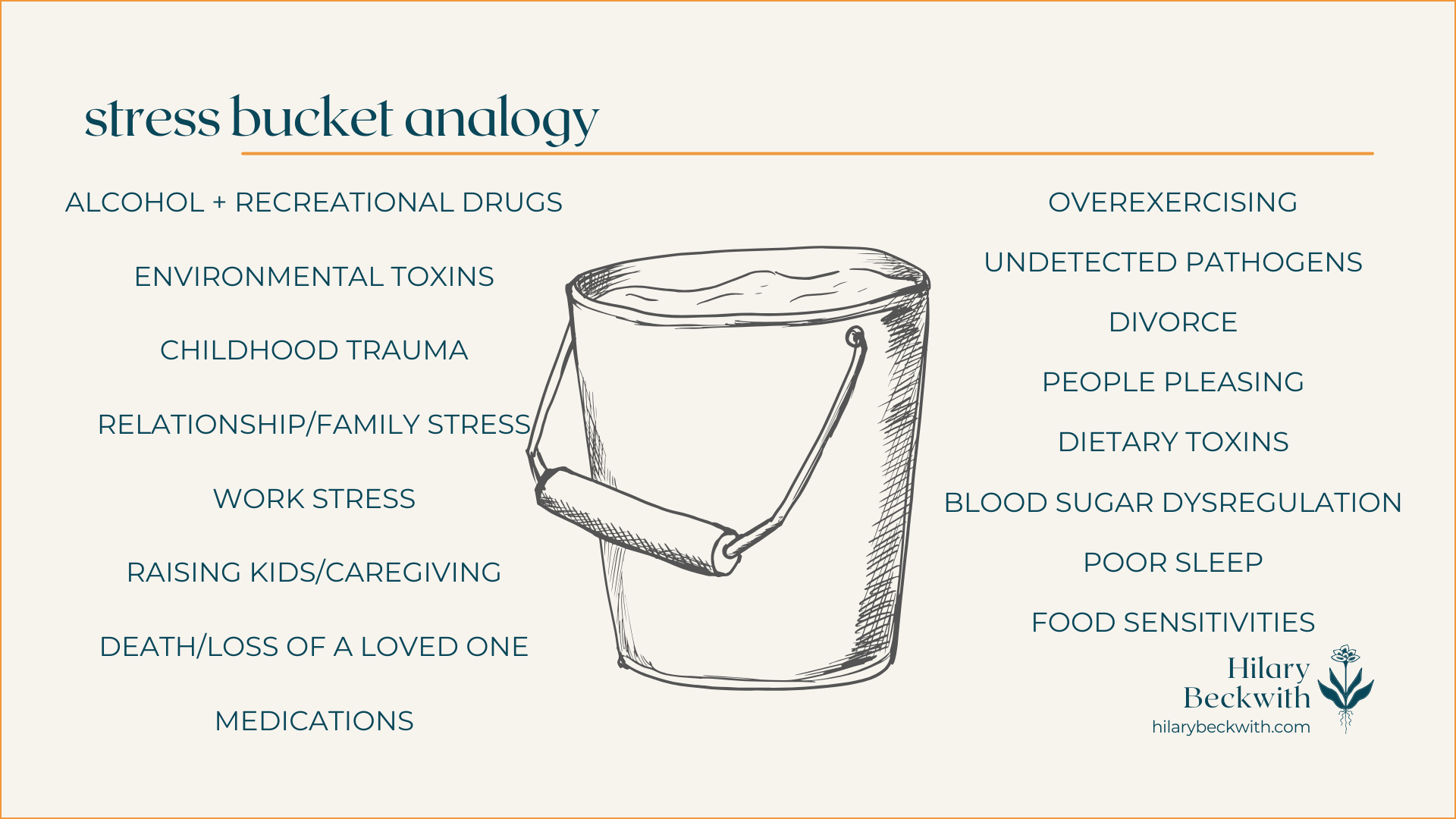
Every drop fills the bucket. Some drops get removed when we take care of our detox systems, and we address infections, when we get optimal rest, when we get professional mental health support.
But once the drops fill the bucket to the brim - it has no where to go but out of the bucket - it’s everywhere!
Here’s the thing, love - Your body is doing its best to deal with everything that’s been thrown at it. But at some point, it’s going to be too much, and that’s when we start to see these bigger reactions and symptoms. That’s your bucket overflowing.
We can help it by reducing the amount of drops in your bucket - put differently, by finding and addressing hidden causes of stress and inflammation.
WHY PINPOINT CANDIDA?
For one, research is starting to show that sufferers of IC often also have higher levels of fungus and yeast, including candida albicans, in addition to other imbalances in their microbiome.
Candida overgrowth can be an especially potent cause of inflammation and stress on the body because it has a unique ability to actually root into tissues and leech off your body’s nutrients, very similar to a parasite.
The candida infection itself is a source of inflammation in that it will stimulate an inflammatory response as your body works to fight it. Additionally, the tissue damage caused by its rooting adds to the inflammation and makes candida difficult to eradicate.
Interestingly, the Mayo Clinic actually states that having a chronic inflammatory condition makes one more likely to experience interstitial cystitis symptoms - seeing the connection here?
interstitial cystitis treatment naturally
There is no direct treatment for interstitial cystitis. In fact, the Mayo Clinic suggests a combination of physical therapy, antidepressants, antihistamines, and anti-inflammatory medications.
All or any of these things may help with symptoms, but they won’t get to the root cause of the inflammation. That’s what I’m here for.
Interstitial Cystitis treatment naturally and holistically requires a look at hidden sources of inflammation. Hidden sources of inflammation may include candida overgrowth, bacterial overgrowth, parasite infection, mold or mold toxicity.
Finding those sources of inflammation requires a detailed health assessment and functional lab testing by a qualified practitioner. Looking at your health history, symptoms, eating habits, nervous system, sleep, and stress levels is all part of the big picture. Getting functional lab testing to confirm or rule out sources is equally important and helps us to create a more personalized plan to address sources of inflammation.
I can help.
My private coaching program includes functional lab testing and an initial comprehensive assessment to help us get to the bottom of your interstitial cystitis symptoms, so you can stop letting pain make your decisions for you.
I also offer functional lab testing without being enrolled in a coaching program.

Intermittent Fasting for IBS Symptoms and Gut Health
With time and consistency, this method can help improve insulin sensitivity (more on this) and improve your body’s ability to use fat stores when glucose is not readily available. Put differently, proper fasting increases metabolism and improves your body’s ability to burn fat.
But there is another physiological benefit of fasting that often gets overlooked - intermittent fasting improves gut health and IBS symptoms.

Fasting to improve gut health
Intermittent fasting benefits are becoming widely known in the weight loss world. But did you know that fasting also has a physiological impact on gut health, and can reduce inflammation and improve microbiome?
Hi friends. I’m Hilary Beckwith, ex-dieter and holistic nutrition expert. Clients come to see me with signs of adrenal stress and inflammatory conditions, and my job is to find the root causes so we can address their symptoms more effectively and fill in the gaps between what their doctor is saying and what their body is saying. Click here to read my Medical Disclaimer.
In this article, you’ll learn:
different types of fasting
physiological effects of fasting
why I recommend fasting for clients with PCOS and IBS symptoms
fasting is not a calorie-counting technique
A common misconception among influencers is that fasting is a great way to get your bod into a calorie deficit. But restricting calories is far from the intention (or physiological impact) of fasting and intermittent fasting.
In fact, calorie restriction has been shown to slow metabolism over time, increase hunger hormones, and decrease satiety hormones [1,2].
Whereas water-fasting and intermittent fasting have been shown to increase growth hormone, improve insulin sensitivity, improve metabolic rate, decrease hunger hormones, and improve your body’s ability to burn fat [3,4,5].
To get a bigger picture of how metabolism works, read this article.
types of fasting
As we’ve discussed, fasting is not merely calorie restriction. What you eat before and after fasting, and the timing and quality of your daily meals, are also important factors when it comes to fasting to improve gut health and insulin resistance.
But let’s talk about different fasting terms first, so you can be on the same page as your health practitioners.
INTERMITTENT FASTING: Also known as Alternate-Day Fasting, refers to a water-only fast for 24-72 hours, with careful attention to refeeding after each fast.
TIME-RESTRICTED FEEDING: Often mistaken for Intermittent Fasting, but the two terms are very different. With Time-Restricted Feeding, one would eat daily, consuming all calories within a set window of time. For example, consuming your calories within an 8-hour period, while fasting the for 16 hours, is commonly known as a “16/8” fast.
EXTENDED FASTING: Water-only fasting that lasts longer than 72 hours.
how fasting works
In a nutshell, when fasting is done well, the intention of fasting is to reduce the amount of insulin being released into your bloodstream by eliminating food intake for a period of time.
With time and consistency, this method can help improve insulin sensitivity (more on this) and improve your body’s ability to use fat stores when glucose is not readily available. Put differently, proper fasting increases metabolism and improves your body’s ability to burn fat.
But there is another physiological benefit of fasting that often gets overlooked - intermittent fasting improves gut health and IBS symptoms.
migrating motor complex
The Migrating Motor Complex (MMC) is the key to repairing IBS symptoms and gut issues associated with PCOS. And it is only active in a fasted state.
That does not mean it cannot occur unless you are doing a 24-hour fast, but it does mean that if you are someone who grazes and snacks throughout the day, your MMC may not be activating much at all.
Here’s why that matters.
The MMC is the body’s mechanism for sweeping out unwanted waste and pathogens from the small intestine. It is a cascade of events that increases motility and digestive enzymes during times of fasting, killing unwanted pathogens and moving them through your digestive tract to the point of elimination.
Something to remember is that digestive function, such as the MMC, cannot occur when you are in fight or flight (sympathetic nervous response). Click here to learn more about how digestion works.
The other side of that coin:
Pathogens like bacteria in the small intestine (SIBO) or candida overgrowth LOVE carbohydrates, and they can cause you to crave these foods, or get excessivley hungry more frequently, so they themselves can get their “food” (carbs).
If the MMC helps to sweep out unwanted pathogens, and certain types of pathogens thrive on the nutrients we eat, it makes sense that fasting improves gut health by essentially starving the gut pathogens (depriving them of nutrients), and increasing activity of the Migrating Motor Complex.
why I recommend intermittent fasting for clients with IBS symptoms and PCOS
In conjunction with addressing digestion and adrenal health, eliminating gut pathogens like candida overgrowth, bacterial overgrowth, and parasites reduces systemic inflammation and can make your IBS symptoms disappear altogether, improve pain levels, and reduce PCOS symptoms.
So cool!
It’s important to remember that eradicating gut pathogens requires a more complex strategy than just implementing intermittent fasting into your routine. But it certainly helps (if your body tolerates it well).
If you want to explore fasting for gut health and IBS symptoms, click here to book a free consultation so we can talk about it.
was this helpful?
Has fasting improved your digestive symptoms and gut health?
Share your thoughts and questions in the comments below!
NUTRITION SERVICES
ADDITIONAL RESOURCES
BLOG REFERENCES
Zauner, C., Schneeweiss, B., Kranz, A., Madl, C., Ratheiser, K., Kramer, L., Roth, E., Schneider, B., & Lenz, K. (2000). Resting energy expenditure in short-term starvation is increased as a result of an increase in serum norepinephrine. The American journal of clinical nutrition, 71(6), 1511–1515. https://doi.org/10.1093/ajcn/71.6.1511
Most, J., & Redman, L. M. (2020). Impact of calorie restriction on energy metabolism in humans. Experimental gerontology, 133, 110875. https://doi.org/10.1016/j.exger.2020.110875
Kolb, Hubert, et al. “Insulin Translates Unfavourable Lifestyle into Obesity - BMC Medicine.” BioMed Central, BioMed Central, 13 Dec. 2018, bmcmedicine.biomedcentral.com/articles/10.1186/s12916-018-1225-1.
Kahn, B. B., & Flier, J. S. (2000). Obesity and insulin resistance. The Journal of clinical investigation, 106(4), 473–481. https://doi.org/10.1172/JCI10842
Fung, J. (2016). The Obesity Code: Unlocking the Secrets of Weight Loss. Greystone Books.
Bowen, Richard. “The Migrating Motor Complex.” Vivo Pathophysiology, Colorado State University, vivo.colostate.edu/hbooks/pathphys/digestion/stomach/mmcomplex.html. Accessed 30 May 2025.

Intermittent Fasting for Metabolic Rate and Weight Loss
If you get the majority of your health information from fitness and wellness influencers on Instagram or TikTok, you might be getting misinformation about intermittent fasting benefits.
When done properly, fasting and intermittent fasting will improve insulin resistance, metabolic rate, and metabolic flexibility, regardless of the number of calories consumed before and after fasting. If you think of fasting as an easy way to achieve a calorie deficit, think again.
Fasting benefits for insulin resistance and metabolic rate - not calorie restriction
If you get the majority of your health information from fitness and wellness influencers on Instagram or TikTok, you might be getting misinformation about intermittent fasting benefits.
When done properly, fasting and intermittent fasting will improve insulin resistance, metabolic rate, and metabolic flexibility, regardless of the number of calories consumed before and after fasting. If you think of fasting as an easy way to achieve a calorie deficit, think again.
Hi friends. I’m Hilary Beckwith, ex-dieter and holistic nutrition expert. Clients come to see me with signs of adrenal stress and inflammatory conditions, and my job is to find the root causes so we can address their symptoms more effectively and fill in the gaps between what their doctor is saying and what their body is saying. Click here to read my Medical Disclaimer.
In this article, you’ll learn:
the difference between calorie deficit and intermittent fasting
physiological effects of fasting
different types of fasting
what should you eat to break your fast?
who should not practice fasting?
isn’t fasting just another way to restrict calories?
Yes and no.
The research behind fasting and metabolic rate tells us two main key points:
chronic calorie restriction (dieting) slows metabolism over time [1,2], and
the chronic presence of insulin slows metabolism, causes weight gain, and increases insulin resistance [3,4]
And since insulin is released in times of feeding, especially carbohydrates (fibers, starches, and sugars), it can be said that calorie restriction is a part of the world of fasting benefits - but not for the sake of achieving a calorie deficit.
EXAMPLES OF CALORIE RESTRICTION V. FASTING FOR INSULIN RESISTANCE
SCENARIO #1: Using the Calorie Restriction (Dieting) Method for Weight Loss
You decide to use the calorie deficit method for weight loss, meaning, the calories you burn must be more than the calories you consume. This requires avid tracking on your part, a constant attention to calorie count and scale numbers, and even then you are missing important data - your total energy expenditure, which varies widely from person to person, and requires a very specialized type of testing.
You increase calorie burn at the gym, and decrease calorie consumption. You track it meticulously using calorie deficit calculators and apps, and find you lose weight for the first 3-4 weeks of doing it. Then you plateau - even when in a calorie deficit, you find the weight is not shedding as easily as it once was. You become discouraged and irritable, and decide to “give in” when things aren’t working any longer.
SCENARIO #2: Intermittent Fasting for Metabolic Rate and Insulin Resistance
You decide to use intermittent fasting (we’ll talk about terminology and semantics later in the post) as a weight loss tool, applying a method commonly known as “16/8”, wherein you consume all your calories within an 8-hour window of time, with nothing but water for the remaining 16 hours of a 24-hour day. You don’t necessarily consume fewer calories, but find that your weight sheds at a slower, more consistent rate, and doesn’t plateau like it does with calorie restriction. You enjoy foods more because you’re eating the calories your body needs, and not restricting food types. You’re not tracking calories, not obsessively looking at numbers on an app or nutrition label. This feels sustainable.
The two main talking points we’ll return to throughout this article are:
the quality of the calorie matters
the timing of calorie consumption matters
your body’s long-term metabolic response to fasting requires time and consistency - one day of fasting is not enough to magically boost your body’s metabolic rate, even if you begin to see weight loss results
how fasting works
In a nutshell, when fasting is done well, the intention of fasting is to reduce the amount of insulin being released into your bloodstream by eliminating food intake for a period of time.
With time and consistency, this method can help improve insulin sensitivity (more on this) and improve your body’s ability to use fat stores when glucose is not readily available. Put differently, proper fasting increases metabolism and improves your body’s ability to burn fat.
To understand how this works, we need to look at how metabolism works. Take a look at the diagram below.

Here are a few key points to understand before we move on to different types of fasting:
WHAT IS METABOLISM?: Metabolism, specifically glucose metabolism, is a cascade of events that converts glucose into energy (ATP or Adenosine TriPhosphate). The process occurs inside of cells, and heavily involves the mitochondria, known as the “powerhouse of the cell” for this very reason - it very literally supplies the power that your cells and body need to function. Your body prioritizes carbohydrates for metabolism, but can also use proteins or fats when resources are present. Because converting fats and protein into ATP requires more energy, the body prioritizes carbohydrate sources of glucose.
WHAT IS GLUCOSE?: Glucose is the molecular form of sugar. Put differently, glucose is sugar in its most broken-down form. Glucose comes primarily from carbohydrates, including starches, sugars, and fiber.
WHAT IS INSULIN?: Insulin is a hormone produced by the pancreas when glucose is present. Insulin acts as a keyholder to cells - when glucose is present, insulin binds to the glucose molecule, shuttles it to the cell, and unlocks the proverbial door, allowing the glucose to enter and be converted to ATP by the mitochondria.

WHAT IS INSULIN RESISTANCE?: When your cells are consistently exposed to more glucose than they can handle, they begin deactivating insulin receptors - if insulin is a key holder, and insulin receptors are the doors to the cell, picture the insulin receptors being boarded up with signs that say “KEEP OUT!”.
Insulin resistance is typically the long-term result of diets low in whole food fiber, high in refined carbohydrates, and snacking or grazing often.
Insulin resistance is common in women with PCOS, hence the belly weight, sugar cravings, and “hangry” symptoms.
In the case of insulin resistance, glucose cannot enter cells to create fuel. The body produces even more insulin in an effort to get the glucose into cells (which does not work).
With or without insulin resistance, any remaining glucose after cells have had their fill gets converted into glycogen (liver storage of glucose) and triglycerides, which get stored as fat tissue.
Improving insulin sensitivity helps your body metabolize glucose more effectively and improves your ability to use fat as a secondary fuel source when glucose is not present. Proper fasting helps improve insulin sensitivity.
types of fasting
As we’ve discussed, fasting is not merely calorie restriction. What you eat before and after fasting, and the timing and quality of your daily meals, are also important factors when it comes to fasting for insulin resistance.
But let’s talk about different fasting terms first, so you can be on the same page as your health practitioners. You can see my earlier writings on fasting benefits here.
INTERMITTENT FASTING: This term is commonly used incorrectly to refer to Time-Restricted Feeding. Here is the correct use of this term: Intermittent Fasting, also known as Alternate-Day Fasting, refers to a water-only fast for 24-72 hours, with careful attention to refeeding after each fast.
TIME-RESTRICTED FEEDING: Again, often mistaken for Intermittent Fasting, but they are two different fasting methods. Time-Restricted Feeding allows you to eat daily, consuming all your calories within a set window of time. Sometimes referred to using the number of hours chosen to consume calories, such as “16/8”, meaning you’d consume all your calories within an 8-hour window, while taking in nothing but water for 16 hours.
EXTENDED FASTING: Water-only fasting that lasts longer than 72 hours.
what should you eat after fasting?
There’s an abundance of poorly researched papers written regarding the long-term effects of fasting. But there’s some really great ones, too, and from credible sources. Many of these studies are discussed in Jason Fung’s The Obesity Code [5].
Some practitioners and influencers across the internet are touting that fasting benefits don’t last once you stop. Here’s why they have it wrong:
Studies that suggest this conclusion also do not disclose the eating and activity habits of the subjects. A study that observes this outcome, but does not provide clear data on all related factors (I would argue that what and when the subject eats is an important determining factor), is not a credible resource.
That said, a regular diet of starches, sugars, and processed foods is bound to undo any work you do with fasting, but the research on fasting benefits is clear:
Water fasting improves insulin sensitivity, increases growth hormone (which also protects from protein degradation), and increases metabolism. You can’t expect to stay healthy on a diet of processed foods, no matter how frequently you fast.
Below are my generally recommended food guidelines for post-fasting, but it’s important to remember that every individual has unique food and macronutrient needs, based on their biochemical composition and unique health goals.
WHAT TO EAT AFTER FASTING:
choose whole foods
prioritize fat, protein, and fiber
avoid highly marketed “health food” labels, like “gluten-free”, “plant-based”, or “[number] essential vitamins” - these are not health foods, and are often highly processed (click here to learn how to spot health scams and confidently read food labels)
don’t be afraid to consume more calories in your fast-break meal than you would typically, but use these techniques to help you avoid overeating:
eat while seated
take a few long, deep breaths through your nose before taking your first bite
take small bites and chew thoroughly (read why this matters)
mindfully eating improves digestion and helps you to listen to when your body is satisfied
MEAL IDEAS FOR POST-FASTING:
Mediterranean Scramble - 3 scrambled eggs, 4-5 olives, 3 ounces plain whole-milk yogurt, and crumbled feta over a handful of chopped, sauteed greens (dandelion, chard, kale, broccolini, beet greens).
Broiled Salmon and Green Vegetable - 5-ounce salmon filet cooked and seasoned to your liking, paired with roasted broccoli, stir-fried asparagus, or sautéed greens. Top with sauerkraut, yogurt, or avocado.
Avocado “Toast” with Poached Eggs and Shredded Beef - Two thin slices of sweet potato baked until tender. Top with mashed avocado, sprouts, 2 poached eggs, and a generous scoop of leftover shredded beef.
While the health benefits of fasting are meaningful, fasting should not be practiced by everyone, and should always be practiced under the supervision of a qualified healthcare practitioner.
If you want to explore fasting for weight loss or metabolic health, click here to book a free consultation so we can talk about it.
was this helpful?
What’s your experience with fasting? Have you found any benefit from fasting?
Share your thoughts and questions in the comments below!
NUTRITION SERVICES
ADDITIONAL RESOURCES
BLOG REFERENCES
Zauner, C., Schneeweiss, B., Kranz, A., Madl, C., Ratheiser, K., Kramer, L., Roth, E., Schneider, B., & Lenz, K. (2000). Resting energy expenditure in short-term starvation is increased as a result of an increase in serum norepinephrine. The American journal of clinical nutrition, 71(6), 1511–1515. https://doi.org/10.1093/ajcn/71.6.1511
Most, J., & Redman, L. M. (2020). Impact of calorie restriction on energy metabolism in humans. Experimental gerontology, 133, 110875. https://doi.org/10.1016/j.exger.2020.110875
Kolb, Hubert, et al. “Insulin Translates Unfavourable Lifestyle into Obesity - BMC Medicine.” BioMed Central, BioMed Central, 13 Dec. 2018, bmcmedicine.biomedcentral.com/articles/10.1186/s12916-018-1225-1.
Kahn, B. B., & Flier, J. S. (2000). Obesity and insulin resistance. The Journal of clinical investigation, 106(4), 473–481. https://doi.org/10.1172/JCI10842
Fung, J. (2016). The Obesity Code: Unlocking the Secrets of Weight Loss. Greystone Books.