


Mold Toxicity Symptoms | Treatment for Hidradenitis Suppuritiva
Mold toxicity symptoms often get overlooked by healthcare professionals, because they overlap with other types of conditions that are commonly treated separately without looking at the root cause.
In this article, we’ll discuss mold toxicity symptoms, and how they are commonly associated with autoimmune diseases like Hashimotos thyroiditis, hidradenitis suppuritiva, multiple sclerosis, irritable bowel syndrome (IBS), or chronic fatigue syndrome.

Mold toxicity symptoms
Mold toxicity symptoms often get overlooked by healthcare professionals, because they overlap with other types of conditions that are commonly treated separately without looking at the root cause.
In this article, we’ll discuss mold toxicity symptoms, and how they are commonly associated with autoimmune diseases like Hashimotos thyroiditis, hidradenitis suppuritiva, multiple sclerosis, irritable bowel syndrome (IBS), or chronic fatigue syndrome.
Hi friends. I’m Hilary Beckwith, ex-dieter and holistic nutrition expert. Clients come to see me with signs of adrenal stress and inflammatory conditions, and my job is to find the root causes so we can address their symptoms more effectively, and fill in the gaps between what their doctor is saying, and what their body is saying.
Mold toxicity is a common root cause of many inflammatory conditions.
In this article, you’ll learn:
what mold toxicity symptoms look like
what conditions are commonly associated with mold toxicity
the difference between mold and mold toxins
sources of mold and mold toxin exposure
my three-pronged approach to treating mold toxicity symptoms
Follow my email feed to stay up-to-date on new articles like this one. Click here to subscribe.
how do mold toxicity symptoms show up?
Mold toxicity symptoms will manifest different in everyone, and it’s possible there are multiple causes for these symptoms.
Our healthcare system is missing the mark when someone presents with many of these symptoms, and potential root causes are never tested for. Traditional healthcare providers are trained to suppress symptoms, but in and of itself, symptom suppression blatantly ignores the root cause, which ultimately makes the symptoms worse over time.
If you regularly experience any of these symptoms, mold toxicity is worth considering as a root cause.
COMMON MOLD TOXICITY SYMPTOMS INCLUDE:
dizziness
low blood pressure
electric shock sensations, tremors, or vibrations
tinnitus (ringing in ears)
GI (gastrointestinal) or digestive issues
sensitivity to chemicals, perfumes or smells
night sweats and body temperature dysregulation
chronic fatigue
depression and/or anxiety
hormone imbalances (blood sugar issues, irregular periods, PMS symptoms, etc.)
body pain, chronic pain
nosebleeds
frequent urination or excess thirst
memory loss or brain fog

conditions associated with mold toxicity
When the body is exposed to mold toxins, whether from environmental sources, food sources, or produced by mold in the body, and if the condition is not addressed in a timely manner, this leads to an inflammatory response called the Cell Danger Response.
If the mold toxicity (the root cause) remains unaddressed, this develops into a chronic condition known as Chronic Inflammatory Response Syndrome, or CIRS.
Cell Danger Response and CIRS can both develop as a result of any pathogen that goes undiagnosed or unaddressed, not just mold toxicity. Other pathogens that commonly fall into this category (and are not commonly tested for by your traditional Western Medicine practitioner) are candida albicans, H. pylori, parasites, and bacterial overgrowth.
WHAT HAPPENS IN CELL DANGER RESPONSE?
Pulling directly from a recent article I wrote about conditions related to Candida, here is what happens during a Cell Danger Response (2):
Mitochondria (the powerhouse of cells) begin by producing more fuel and releasing metabolic intermediates, like oxygen and reactive oxygen species.
When this does not resolve the threat, energy production begins to shut down in order to preserve energy. Digestion is also disturbed as it is non-essential to dealing with the pathogen, and your fatigue increases.
Cell membranes (also known as cell walls) stiffen, preventing nutrients from transferring in and out of cells for energy production.
Mitochondria release antiviral and antimicrobial chemicals into the fluid surrounding the cells.
Sends chemical signals to warn neighboring cells, and signal for help from immune cells such as eicosanoids and cytokines.
The Sympathetic Nervous System (“fight or flight” response) is kicked on until the threat is resolved. If candida goes unnoticed or undiagnosed, your “fight or flight” response will be in ON-mode indefinitely.
When the stressor is left unaddressed, this cascade of inflammatory response can lead to chronic illness, chronic pain, and autoimmune disease.
CONDITIONS THAT MAY BE LINKED WITH MOLD TOXICITY
Asthma (1)
Autoimmune diseases, such as Irritable Bowel Disease (IBS), Hashimoto’s Thyroiditis, Hidredenitis Suppuritiva, Rheumatoid Arthritis, or Multiple Sclerosis
Leaky Gut Syndrome
PCOS (PolyCystic Ovarian Syndrome)
Interstitial Cystitis
Depression
Anxiety
Balance issues
Dementia
the difference between mold and mold toxins
Molds are a type of fungi made up of multi-cellular filaments called hyphae (1). It is commonly heard that black mold is the only type of toxic mold, but there is simply not enough evidence to support this claim. Mold can be found in air, soil, plants, animals, and humans, and grows in places with lots of moisture.
We’ll talk more about common sources of mold exposure further down in the post.
Mold is a living organism, and when it is threatened, it produces mold toxins as a defense mechanism. These toxins, known as mycotoxins, are known to disrupt the mucosal barrier of lungs, intestines, and other epithelial tissues throughout the body, in order to make the space more suitable for mold to grow and thrive.
This disruption of epithelial tissue causes an inappropriate inflammatory response.
sources of mold and mold toxins
PACKAGED OR FRESH FOODS - This goes for any food, although there are also foods that are naturally high in yeast and mold (below). Regardless of whether your food is past its expiration date, it’s possible mold is growing on it. Always look before you sniff.
DUST
INSIDE WALLS OR WINDOWS OF YOUR HOME
BUILDINGS THAT HAVE TAKEN WATER DAMAGE
WINDOWS OR VENTS OF YOUR CAR
ANY SPACE THAT IS GENERALLY MOIST
FOODS THAT NATURALLY CONTAIN HIGH AMOUNTS OF MOLD OR YEAST:
grains
cheese
mushrooms
fermented foods (yogurt, sauerkraut, kimchi, natto, kefir, aged cheese, etc.)
dried fruit
chocolate
coffee beans
wine and beer
processed meat
nuts
milk

treatment for mold toxicity symptoms
Pathogens like mold, mold toxins, candida, bacteria overgrowth, and parasites, are all potential root causes for autoimmune diseases and inflammatory conditions like IBS and leaky gut syndrome.
Treatment for any pathogen requires an individualized approach and specialized testing to know exactly which pathogens are causing the problem. But at the heart of it, treatment for mold toxicity symptoms boils down to three foundational steps:
Remove the Mold Source - Eradicating a pathogen is useless without also removing the contributing source(s). It would be like starting a diet without evaluating your digestive health, or considering your health history. Removing sources of mold from your home, your car, the foods you eat, and any other spaces you spend significant amounts of time in, is the very first step to a successful elimination of mold toxins.
Support Detox and Drainage - Your liver plays a big role in the elimination of pathogens like mold toxins. Ensuring your liver is not congested and can effectively deactivate toxins, and that your drainage pathways are clear (bowel movements, sweat, urine, and lungs), is the second step to a successful mold detox.
Eradicate the Pathogens - Once the first two steps have been evaluated and supported, using high-potency botanical or pharmaceutical intervention to kill off the pathogens is the next step to getting rid of your mold toxicity symptoms and finding relief for your autoimmune symptoms.
Important additional factors to consider when treating mold toxicity symptoms include:
accurate testing - Working with a practitioner who is familiar with specialized testing that will help you understand what it is you’re fighting against, will make your treatment more successful. Secondarily, pathogens have ways of hiding, so working with a practitioner who understands how to draw pathogens out of hiding prior to testing, will get you a more accurate test result.
binders - When actively killing off pathogens, binders are essential to removing debris and toxins from the body. There are many types of binders, and each is specific to certain types of pathogens. Working with a practitioner who understands which types of binders are best for the specific pathogens you are dealing with, is essential to a successful treatment.
microbiome rebuild - Kill-off agents, whether pharmaceutical or botanical, kill off EVERYTHING - good and bad. It is especially important to repopulate the “good” bacteria and support healthy microbiome after, and sometimes during, the kill-off process, to ensure a more powerful immune support for future pathogenic infections. Without this step, you may be more susceptible to future infections, and an immune system that struggles to keep up.
was this helpful?
Please share your thoughts and questions in the comments below!
DO YOU HAVE MOLD TOXICITY SYMPTOMS?

NUTRITION SERVICES
ADDITIONAL RESOURCES


BLOG REFERENCES
Kraft, S., Buchenauer, L., & Polte, T. (2021). Mold, Mycotoxins and a Dysregulated Immune System: A Combination of Concern?. International journal of molecular sciences, 22(22), 12269. https://doi.org/10.3390/ijms222212269
Naviaux, R. K. (2013, August 24). Metabolic features of the Cell Danger Response. Mitochondrion. https://www.sciencedirect.com/science/article/pii/S1567724913002390

Why Protein is Important | A Closer Look at Protein Powders, Protein Shakes, and Protein Calculators
Protein is made up of amino acids fused together by peptide bonds. The body can synthesize many amino acids from other sources, but there are nine amino acids which it cannot synthesize. These nine amino acids are needed to build protein, and in order to do that, they all need to be present simultaneously.
The inability of our body to produce these amino acids is what makes them essential amino acids, meaning, we must get them from our diet. The fact that they need to be present simultaneously in order to build protein, means we need to be consuming more complete proteins at each meal.
So, what’s a complete protein?

What about protein?
You hear a lot in the media about tracking calories, lowering cholesterol, and ditching sugar.
But protein somehow gets undermined in many traditional medical practices, and I want to change that.
Hi friends. I’m Hilary Beckwith, ex-dieter and holistic nutrition expert. Over the course of my work and studies, I’ve learned just how important dietary protein is. Not only the amount of protein but the quality of protein.
In this article, you’ll learn:
benefits of eating enough protein
how protein impacts your mood and mental health
recommended protein intake
what might be preventing you from digesting dietary protein
ways to add protein to your meals
health benefits of protein
Two factors determine the quality of any dietary nutrient, including protein:
Your body’s ability to digest a food and absorb its nutrients
The quality of food you’re consuming
You can be using all the protein powders, downloading all the best protein calculator apps, eating protein foods, and downing protein drinks. But if your digestive health is not up to par, and you’re consuming the same heavily processed protein powder every day, you might as well be flushing your money down the toilet.

WHY DOES YOUR BODY NEED PROTEIN?:
NEUROTRANSMITTER PRODUCTION - Neurotransmitters are chemical messengers similar to hormones, that regulate mood. Certain amino acids, the building blocks of protein, are precursors to neurotransmitters like serotonin, dopamine, GABA, and epinephrine (adrenaline).
Tryptophan: precursor to serotonin
Tyrosine: precursor to catecholamines (dopamine, epinephrine)
Glutamine: precursor to glutamate from which GABA can be synthesized
D-phenylalanine: inhibits the enzyme that breaks down endorphins, hormones that “relieve pain, reduce stress, and improve mood.”(1)
ANTIBODY FORMATION - Antibodies are formed as part of your body’s adaptive immune system. When an antigen is present, antibodies multiply in order to fight the invader and also have the ability to remember the antigen should it ever come back again (2). These antibodies are formed from proteins.
MUSCLE BUILDING - Similar to bones, muscles go through a process of breaking down and rebuilding. Resistance exercise causes the muscle tissues to break down, then muscle protein is synthesized post-workout to repair and rebuild the muscle tissue even bigger than before (3). Amino acids are necessary for this process to occur.
NUTRIENT TRANSFER ACROSS CELL MEMBRANE - Channel proteins (see Figure A, below) are formed from amino acid subunits to create a tubular structure that is nestled within the cell membrane to allow nutrients to travel in to and out of the cell.
COLLAGEN IS NEEDED FOR HEALTHY JOINTS, SKIN, NAILS, AND HAIR - Collagen is the most abundant form of protein in your body, and according to Cleveland Clinic, accounts for 30% of your body’s protein (4).
CARRIES OXYGEN THROUGHOUT THE BODY - Hemoglobin is a protein found in red blood cells that binds to oxygen in the lungs and carries it to cells and tissues throughout the body as needed. the word globin describes a colorless protein that when bound to heme (iron), becomes hemoglobin.

Figure A - Image found on this website
To sum it all up, the benefits of getting a wide variety of quality protein in your diet, include:
improved mood and mental wellness
healthy skin, hair, and nails
improved arthritis symptoms (or prevents arthritis altogether)
good energy throughout the day
helps you feel more satiated at meals, reduces cravings
supports immune function
supports muscle formation in conjunction with resistance training
recommended protein intake for women
Many researchers agree that the Recommended Dietary Allowance (RDA) for protein is based on inconclusive research, and yet has been the RDA for over 70 years (5). All the more confirmation we need to understand that no RDA suits all bodies.
However there has been further research that suggests that protein intake higher than the RDA is more beneficial, and that RDA values are not considered optimal.
Currently, the RDA for protein for individuals (male- and female-bodied) 18 years or older, is 0.8g per 1 kg (2.2 lbs) of body weight.
For a 150 lb individual, this equates to about 54.5 grams of protein daily. Based on what I’ve learned about how the body uses protein, I would argue that this is too little.
Apart from the protein functions discussed earlier in this article, one of the more prominent impacts I see in my clients who consume inadequate or low-quality protein is on blood sugar levels. Protein itself does not influence blood sugar metabolism (although protein can be converted to glucose by the liver if needed). But by not consuming enough protein, my clients turn more to carbohydrates in the form of starches or sugars.
Each body has unique health needs, and it’s important to consider that blanket statements like these may not apply to your body. But for my typical client, one who is struggling with adrenal issues (sleep, energy, troublesome or irregular periods, PMS symptoms), has PCOS (polycystic ovarian syndrome), or is dealing with gut pathogens like bacterial overgrowth, candida overgrowth, or parasites, I recommend 90 grams of protein per day.
Protein enables you to feel more satiated and slows the breakdown of food, which in turn does help with blood sugar levels. This effect is not going to come from your vegan protein powders or protein drinks, as those are generally made from starchy protein food sources like pea protein, and loaded with a number of other heavily processed ingredients.
Satiation and the slower breakdown of food is going to come from consuming high-quality whole-food forms of protein, paired with good digestive health.
So, what is a high-quality protein?
complete protein vs. incomplete protein
Protein is made up of amino acids fused together by peptide bonds. The body can synthesize many amino acids from other sources, but there are nine amino acids which it cannot synthesize. These nine amino acids are needed to build protein, and in order to do that, they all need to be present simultaneously.
The inability of our body to produce these amino acids is what makes them essential amino acids, meaning, we must get them from our diet. The fact that they need to be present simultaneously in order to build protein, means we need to be consuming more complete proteins at each meal.
So, what’s a complete protein?
A complete protein is a food that contains all nine essential amino acids. Or a combination of foods that collectively contain all nine essential amino acids.
The nine essential amino acids include histidine, isoleucine, leucine, lysine, methionine, phenylalanine, threonine, tryptophan, and valine.
MY BEEF WITH VEGETARIAN DIETS (I will keep this brief)
Some might be angry with me for saying this, but I’ve looked at a lot of solid research over the years that supports what I’m about to say.
Vegetarian, and especially vegan diets, even the healthiest whole-food plant-based diets, simply do not provide enough bioavailable complete protein without consuming mountains of starchy carbohydrates.
… Stepping off my soap box…
how to get more protein in your diet
Increasing protein without addressing gut health is a recipe for disaster. If you have digestive symptoms like bloating, fatigue after meals, constipation, diarrhea, heartburn or indigestion, or excess and prolonged fullness after eating, it’s important to get your digestion back on track before you can properly digest protein.
Once digestion is up to par, increased protein will help with muscle building, fatigue, blood sugar levels, mood, and food cravings.
Here are a few ideas to help you out:
START YOUR DAY WITH ANIMAL PROTEIN AND GREENS - Prioritizing green, leafy vegetables and animal protein will keep you full until lunchtime without that need for a pick-me-up in between. Here are some examples of what I typically eat for breakfast:
sauteed, finely chopped broccoli + 2 eggs or leftover protein from dinner last night + sauerkraut
finely chopped cabbage and onion + salmon fillet
root vegetable hash (shredded root vegetables + diced, cooked brisket or sausage + topped with a fried egg) - prioritize less starchy vegetables like radishes, beets, and kohlrabi
chopped dandelion greens, sauteed with chopped onion + top with favorite high-quality dressing (make your own, or my favorite is PCC’s house-made Green Goddess) + leftover steak
NUTS AND SEEDS - Nuts and seeds are a great way to add protein to your day, whether as an isolated snack, or adding to a meal.
Add sprouted pepitas (pumpkin seeds) to any soup, breakfast dish, or salad. I keep a jar on my countertop so they’re always easily accessible.
Switch up your crackers and coffee for a handful of mixed nuts and a string cheese as a high-protein snack.
Nut and seed butters are available now in go-packs. Artisana and Justins are two of my go-to brands for this (no affiliation).
MEAL PREP PROTEINS FOR BUSY SCHEDULES - Meal prep is essential for anyone with a busy schedule who wants to eat healthier. Packaged options that are minimally processed are becoming more abundant, but there’s nothing quite as good (and in your control) than something prepared at home, with ingredients YOU selected. Here are some ideas:
boil and peel eggs for the week
fill a jar with mixed nuts to keep in your desk at work, or in your bag
make time for batch-cooking: Before I started working from home, I would batch-cook my lunches and snacks for the week, and portion them out so that I could just grab and go. Here are some meals I commonly made:
tuna salad with chopped greens
roasted non-starchy vegetables + chicken/steak/fish
soups (I would commonly add a scoop of cottage cheese to my warm soup for extra protein)
bento-box - sliced chicken or turkey, sliced or bite-sized vegetables (broccoli, cucumber, kohlrabi, radishes, turnips, etc.), nuts and seeds, cottage cheese, olives, pickled beets, sliced or string cheese, etc.
DITCH THE VEGAN PROTEIN POWDERS, AND SWITCH TO HIGH-QUALITY COLLAGEN AND AMINO ACID SUPPLEMENTS - If supplementation is how you’re getting a chunk of your protein, consider ditching the heavily processed protein powders, protein drinks, and protein shakes. Here are some of my favorite products.
did you learn something new?
Please share your thoughts and questions in the comments below!
NUTRITION SERVICES
ADDITIONAL RESOURCES
BLOG REFERENCES
C. C. medical. (n.d.-a). Endorphins: What they are and how to boost them. Cleveland Clinic. https://my.clevelandclinic.org/health/body/23040-endorphins
Janeway CA Jr, Travers P, Walport M, et al. Immunobiology: The Immune System in Health and Disease. 5th edition. New York: Garland Science; 2001. The structure of a typical antibody molecule. Available from: https://www.ncbi.nlm.nih.gov/books/NBK27144/
Kwon, Y. sub, & Kravitz, L. (n.d.). How Do Muscles Grow?. How do muscles grow? https://www.unm.edu/~lkravitz/Article%20folder/musclesgrowLK.html#:~:text=Muscle%20growth%20occurs%20whenever%20the,controlled%20by%20complimentary%20cellular%20mechanisms.
Cleveland Clinic medical. (n.d.). Collagen: What it is, types, function & benefits. Cleveland Clinic. https://my.clevelandclinic.org/health/articles/23089-collagen
Wolf, R. R., Cifelli, A. M., Kostas, G., & Kim, I.-Y. (2017, March 10). Optimizing protein intake in adults: Interpretation and application of the Recommended Dietary Allowance compared with the acceptable macronutrient distribution range. Advances in Nutrition. https://www.sciencedirect.com/science/article/pii/S2161831322007165

Common Hormone Balancing Mistakes | Hormone Imbalance | Hormone Balance Supplements
Hormone imbalance is when there is either too much or too little of any hormone. While addressing the effects of the hormone imbalances might help with your symptoms, as a holistic practitioner, my goal is to figure out why there is a hormone imbalance and help you address the hormone imbalance at the root cause.
The following are some common mistakes I see in individuals working to address hormone imbalance, specifically in relation to female sex hormones.

What is hormone imbalance?
Your body is run by hormones, which are chemical substances that are transported throughout the body and act as messengers to stimulate certain actions from cells or tissues.
Hormones regulate many body functions, including:
hunger
fullness
digestion and motility
glucose metabolism (blood sugar balance)
mood
period cycles, menstruation
muscle building
bone density
stress response
thirst
sleep-wake cycle
sexual function
You can see from that list just how important hormones are, and your body works hard to keep them in balance.
Hormone imbalance is when there is either too much or too little of any hormone. While addressing the effects of the hormone imbalances might help with your symptoms, as a holistic practitioner, my goal is to figure out why there is a hormone imbalance and help you address the hormone imbalance at the root cause.
The following are some common mistakes I see in individuals working to address hormone imbalance, specifically in relation to female sex hormones.
Whether you’re working to regulate your period cycle, get rid of PCOS belly, reduce PMS symptoms, dealing with PCOS (now, more accurately named PMOS - Polyendocrine Metabolic Ovarian Syndrome) symptoms (Polycystic Ovarian Syndrome), trying to get pregnant, or approaching menopause, it’s important to work from the ground up.
common mistakes with addressing hormone imbalance
7 of the most common mistakes I see people make when addressing hormone imbalance are:
Not addressing root cause - There are many ways to address hormone imbalance with hormone supplements, medications, or modalities to address symptoms of hormone imbalance like PCOS belly and irregular periods. And these all have their place in some cases, but the biggest mistake I see is not looking for and addressing the reason(s) why your hormones are imbalanced to begin with.
Not prioritizing rest and sleep - A busy lifestyle complete with a lack of boundaries and inability to say ‘no’ will keep your Sympathetic Nervous System activated (fight or flight). When this happens, your brain is actively working to prepare your body to flee a tiger, not regulate ovulation. Other examples of chronic stressors include:
chronic over-exercising
poor blood sugar regulation
people-pleasing behaviors
eating on-the-run
no downtime, or having to “earn” downtime
Ignoring the impact of dietary and environmental toxins - Your body is doing everything it can to deal with what is thrown at it. Many modern products that have been designed to offer us ease and convenience, are loaded with endocrine disrupters and substances that are considered toxic to your body and contribute heavily to hormone imbalance symptoms like PCOS belly, weight gain, and irregular periods. Skincare products, household cleaners, air fresheners, plastics in packaged food and cookware, even low-quality supplements.
Not addressing liver health, gut health, drainage, and bowel movements - Piggybacking on the last topic, your liver is responsible for preparing toxins for elimination from the body. Excess hormones are considered a toxin to the body, if not eliminated. If your liver is congested due to a diet rich in processed foods or is burdened by toxic overload, it will not be able to keep up, and those toxins will be reabsorbed into the body.
Not eating enough (and not addressing digestion) - Skipping meals is a stress to your body and nervous system. But also poor digestive health means you are not able to break down foods and utilize their nutrients, even if you are eating the most nutrient-dense diet.
Not addressing blood sugar - Blood sugar management is not just about how much sugar you consume. It involves eating satiating meals, eating a balance of quality-sourced animal proteins, green leafy vegetables, healthy fats, and whole grains, and minimizing processed foods.
Not getting enough whole-food fiber - I’m not talking about foods engineered to have more fiber content on the nutrition label. I’m talking about fibrous vegetables, fruits, and grains in their whole, unprocessed forms. Fiber binds to bile (from the liver) and toxins and escorts them out of the body (elimination). Fiber is an important part of the detoxification process and is essential to addressing hormone imbalance.

what’s your story?
What’s your experience with PCOS belly, hormone balance, and anything that goes with it? Did you learn anything new from this post or have any questions?
Share your thoughts in the comments below!
And if you want some help figuring out the best course of treatment for your hormone imbalance symptoms and PCOS belly, I can help you figure it out.
NUTRITION SERVICES
ADDITIONAL RESOURCES

Conditions Associated with Candida Growth | Candida Symptoms | Yeast Infection Symptoms | Nail Fungus Treatment
Candida is a parasitic yeast that can live on your skin, in your mouth, and in your intestines (1). Commonly known as candida albicans, this structure is commonly present in small amounts in most humans, but when it becomes out of balance with other microbiota in the gut, that’s when the trouble begins.
Candida albicans implants itself with a root-like structure into cells and tissues, including your digestive tract. They use tail-like protrusions called flagella to wave around and leech nutrients from the foods you consume, leaving you more hungry, and making you susceptible to blood sugar issues like insulin resistance and hypoglycemia.
This implantation technique enables them to evade the immune system and makes it more difficult to see using some lab testing techniques.
It is also the reason candida will not go away with a simple diet change. Specific and meticulous strategies under the care of a qualified practitioner are essential to totally eradicating candida symptoms, and rebuilding the microbiota.

What is candida?
Candida is a parasitic yeast that can live on your skin, in your mouth, and in your intestines (1). Commonly known as candida albicans, this structure is commonly present in small amounts in most humans, but when it becomes out of balance with other microbiota in the gut, that’s when the trouble begins.
Candida albicans implants itself with a root-like structure into cells and tissues, including your digestive tract. They use tail-like protrusions called flagella to wave around and leech nutrients from the foods you consume, leaving you feeling more hungry, and making you susceptible to blood sugar issues like insulin resistance and hypoglycemia.
This implantation technique enables them to evade the immune system and makes it more difficult to see using some lab testing techniques. It also causes damage to the tissue itself, causing inflammation and conditions like leaky gut syndrome.
It is also the reason candida will not go away with a simple diet change. Specific and meticulous strategies under the care of a qualified practitioner are essential to totally eradicating candida symptoms, and rebuilding the microbiota.
candida symptoms
Candida overgrowth and other pathogenic infections, such as parasites and bacteria, are commonly overlooked when patients complain to their doctors about symptoms like:
brain fog
bloating
constipation
frequent hunger
sugar or carb cravings
poor stress management
eczema
acne
depression or anxiety symptoms
blood sugar management issues (irritability, headache, or shaky when hungry)
chronic nail fungus on fingernails or toenails
chronic vaginal yeast infection symptoms
chronic thrush, or yeast infection symptoms in the mouth
difficulty losing weight
weight gain around the belly and hips
signs of insulin resistance
Many of these candida symptoms are often treated topically if a skin condition or are told to cut out gluten or eat fewer sugars or carbs. Doing these things might be helpful, but…
Imagine the relief you would get if your doctor tested for the root cause!
I’ve seen many of my own clients clear their acne, resolve chronic fungal infections, improve their mood, lose weight, and reduce blood sugar symptoms and food cravings, all by testing for and addressing candida overgrowth.
cell danger response
A moderate overgrowth of candida will commonly result in many of the candida symptoms mentioned above. And if it’s caught early enough, candida symptoms can improve within just a few months.
But as with any pathogen that infiltrates your body and the threat goes unaddressed, your cells respond to this threat through what’s known as the Cell Danger Response (2).
HERE’S WHAT HAPPENS DURING CELL DANGER RESPONSE (CDR):
Mitochondria (the powerhouse of cells) begin by producing more fuel and releasing metabolic intermediates, like oxygen and reactive oxygen species.
When this does not resolve the threat, energy production begins to shut down in order to preserve energy. Digestion is also disturbed as it is non-essential to dealing with the pathogen, and your fatigue increases.
Cell membranes (also known as cell walls) stiffen, preventing nutrients from transferring in and out of cells for energy production.
Mitochondria release antiviral and antimicrobial chemicals into the fluid surrounding the cells.
Sends chemical signals to warn neighboring cells, and signal for help from immune cells such as eicosanoids and cytokines.
The Sympathetic Nervous System (“fight or flight” response) is kicked on until the threat is resolved. If candida goes unnoticed or undiagnosed, your “fight or flight” response will be in ON-mode indefinitely.
When the Cell Danger Response is ongoing, the chronic inflammation that results leads to more serious chronic illnesses.
conditions associated with candida overgrowth
When candida gets overlooked, and therefore becomes a chronic threat to the body, the Cell Danger Response kicks in. When that happens, and the threat still is not resolved, this leads to chronic inflammation.
This chronic inflammation and heightened fight or flight response can lead to more serious chronic diseases and disorders. On the same token, unaddressed pathogenic infections like candida, can inhibit the success of treatments for such diseases and disorders.
Here are some conditions in which candida may be a factor:
schizophrenia
Alzheimer’s
fibromyalgia
Chronic Fatigue Syndrome
HIV infection
colitis
depression
PMS
vaginal yeast infection
Multiple Sclerosis
Interstitial Cystitis
seizures
Irritable Bowel Syndrome
Cancer
treatment for candida overgrowth
As discussed earlier, treatment for candida overgrowth is not often as simple as special diets and probiotics.
Effective treatment for candida symptoms involves:
Functional Lab Testing - to determine how severe the infection is, whether it is localized to the gut or is systemic throughout the body, and whether other pathogens might be a priority. Click here to explore testing options.
Medications and/or High-Potency Anti-Fungal Nutrients to kill off the pathogens
Digestion Support and Monitoring - Chances are candida rooted itself because your digestive health is (or was) compromised. Addressing digestion is one of the first and most important steps to eradicating any pathogen.
Dietary Changes - A diet conducive to starving candida and other pathogens (not you!) is essential to preventing them from re-establishing as you work to kill them off. HERE’S A SAMPLE MENU FROM MY CANDIDA ELIMINATION PLAN
Biofilm Disrupters - Candida and other pathogens (including “good” bacteria") will create a sticky home for themselves to live, evade the immune system, and collect nutrients to live off of, called biofilm. Nutrients to destroy the biofilm is essential to ensuring no candida gets left behind.
Binders - When pathogens die, they leave behind debris, which need to be eliminated. Different types of binders are needed for different types of pathogens.
Liver Support - Pathogens produce a number of harmful and toxic metabolites. The liver plays a role in this by finding and preparing these toxins for elimination. Working with a practitioner to ensure your liver is functioning well is important to this process.
Gut Rebuilding Factors - Antifungals and antimicrobials will kill everything, even the good stuff. But we need a healthy balance of good bacteria as the first line of defense for pathogens like candida, so rebuilding the microbiome is arguably the most important part of this process. A personalized concoction of high-potency probiotics, prebiotics, as well as nutrients to re-establish gut lining, should be used.
think you might have candida?
This 5-minute questionnaire will help you figure out whether candida might be the cause of your symptoms.
NUTRITION SERVICES
ADDITIONAL RESOURCES
BLOG REFERENCES
professional, C. C. medical. (n.d.). Candida albicans: Infections, symptoms & treatments. Cleveland Clinic. https://my.clevelandclinic.org/health/diseases/22961-candida-albicans
Naviaux, R. K. (2013, August 24). Metabolic features of the Cell Danger Response. Mitochondrion. https://www.sciencedirect.com/science/article/pii/S1567724913002390
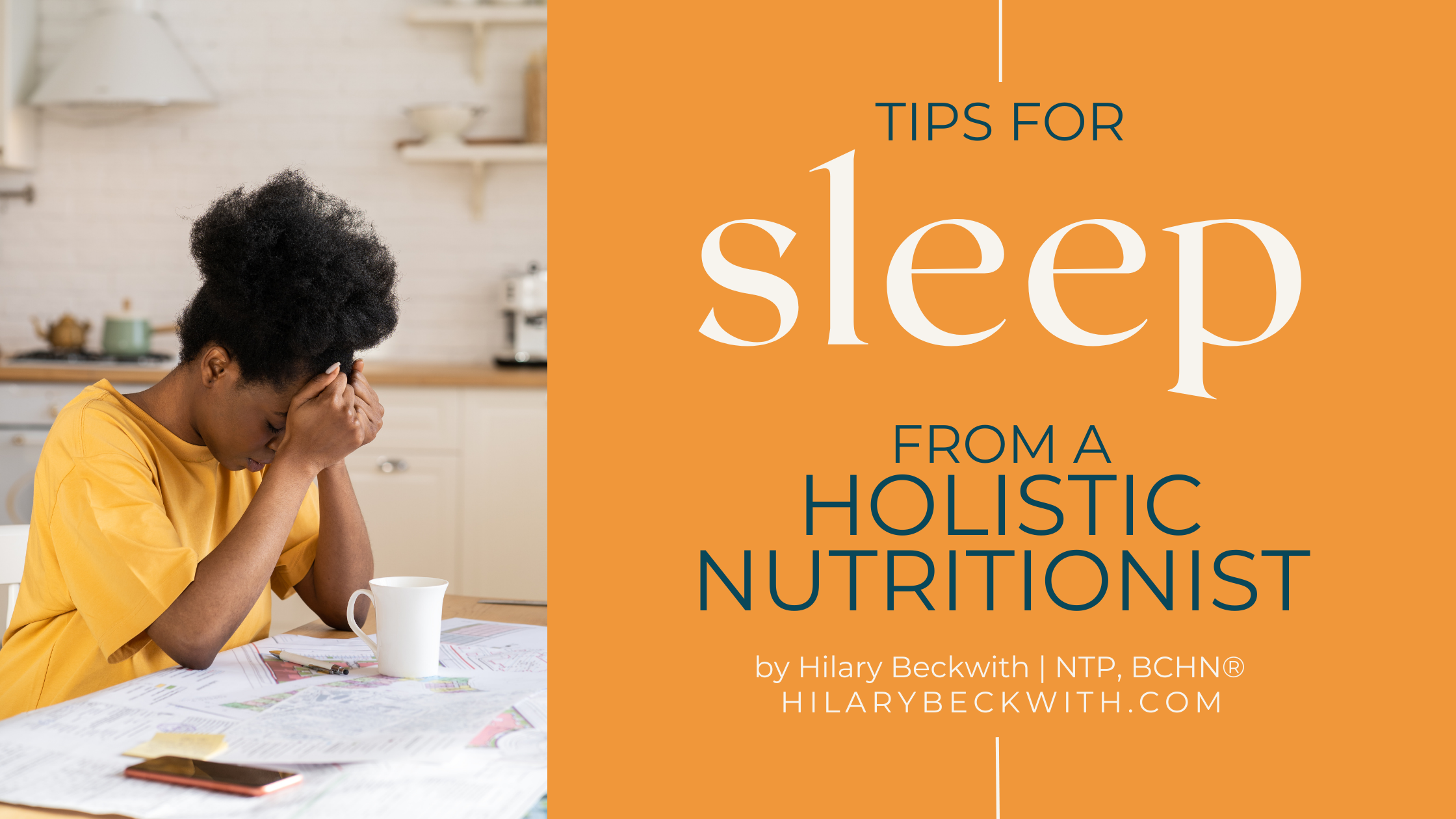
Tips for Improving Sleep | Stop Searching Sleep Memes
Keeping circadian rhythm regulated in check is essential to optimal health, and can have damaging effects if not taken into control. In fact, one paper I’ll reference in this post goes as far as to say that, “Circadian Dysregulation Is Both Symptomatic and Causative of Metabolic Disease”.
Aside from not feeling like a real person, let’s talk about how else you’re impacted when you can’t sleep.

Can’t sleep?
It starts with a “f*****ck” at the sound of the alarm clock.
You feel like you’ve barely slept a wink. You all but throw your alarm across the room, and you lay back in bed and utter the infamous words, “Just a few more minutes”.
A few minutes turns into an hour, and before you know it, you’re late!
You jump out of bed, panicked, adrenaline surging through your veins to get out the door.
You grab a coffee and a granola bar on your commute, and you get to work just in time for your first meeting, still shaky from the rush (and maybe also the traffic you just fought through).
Friend…
I see you…
And I want to tell you…
This is not healthy…
But I can help…
Let’s talk about how to fix it.
The most amusing and unsettling thing about writing this post was that I learned that far more people are searching for the words, can’t sleep meme than they are searching for any kind of support to improve their sleep.
This is upsetting.
Culturally, we’ve accepted poor sleep, feeling run down, burnt out, and exhausted, as a normal part of being. We’ve accepted it as the nature of being a mother, a career person, a night owl, or just the way we’re wired.
It’s time to stop accepting it and start asking questions:
WHY is your body not sleeping during the night hours? HOW is it impacting other parts of your health? And WHAT do we do about it?
I’ve got you.
why sleep is important
The obvious answer is it makes you feel rested! It’s harder to do things tired.
You don’t think straight, you make more mistakes, and it’s harder to pay attention to what you need because you’re just trying to survive the day. You don’t have the energy to play with your kids or go on fun adventures with friends.
When you can’t sleep, you turn into the can’t sleep meme!

To define things up front, when I refer to sleep cycles and the like in this post, I’m referring to circadian rhythm, a natural 24-hour cycle in humans impacted by diet, light, stress, and sleep.
Keeping circadian rhythm regulated in check is essential to optimal health, and can have damaging effects if not taken into control. In fact, one paper I’ll reference in this post goes as far as to say that, “Circadian Dysregulation Is Both Symptomatic and Causative of Metabolic Disease”(2).
Aside from not feeling like a real person, let’s talk about how else you’re impacted when you can’t sleep.
WHAT HAPPENS WHILE YOU SLEEP:
DETOXIFICATION - Your body uses many forms of detoxification throughout the day, including sweat, urine, and feces, but your body uses two main detox pathways while you sleep.
glymphatic system (1) - The brain does not contain lymphatic (no ‘g’) vessels like the rest of your body does. Instead, it contains a similar system formed from astroglial cells that work to deliver nutrients to the brain and central nervous system, as well as carry metabolic waste away from the brain and central nervous system.
Like most other cells and tissues in the body, the brain and central nervous system require nutrients like amino acids, carbohydrates, and fatty acids, in order to perform. Additionally, all that hard work that the brain and central nervous system are doing all day, produces metabolites, waste that needs to be eliminated. Waste that remains in the brain and is not quickly eliminated, becomes toxic. Sleeping drastically enhances the glymphatic system, enabling the body to begin eliminating toxins from the brain.
liver detoxification - your liver is working hard all day. It’s responsible for many different tasks (READ MORE ABOUT THE LIVER HERE), but arguably a significant responsibility of the liver is to prepare toxins for elimination, using pathways such as glucuronidation, sulfation, and methylation. And much of that happens, again when you are resting, for most at around 1-3:00 am.
TISSUE REPAIR - Tissue that is damaged or stressed will repair itself during times of rest. This includes tissues that have been intentionally stressed or challenged during workouts.
MEMORY - It is thought that sleep is when memory is consolidated (3). The information you’ve obtained is essentially sorted through and solidified into long-term memories.
supporting circadian rhythm
There are many ways to support circadian rhythm, and they all boil down to supporting adrenal health.
Most people know the adrenal glands in relation to stress regulation, and that’s true.

Remember that the adrenal glands are also involved in:
sex hormone production
fluid balance and hydration
immune system regulation
thyroid health
blood sugar balance
energy production
SLEEP!!!
WHAT ARE ADRENAL GLANDS?
Most people have two adrenal glands, each resting on top of the kidneys. They operate primarily based on information from a feedback loop called the HPA axis (Hypothalamus Pituitary Adrenal axis).
Adrenal glands produce a number of different hormones, but the one we are going to focus on in regard to circadian rhythm, is cortisol.
WHAT IS CORTISOL?
Cortisol is a glucocorticoid, meaning it is a steroid hormone involved in the metabolism of glucose. More simply put, Cortisol is a hormone made from cholesterol that kickstarts the process of turning sugars (glucose) into energy.
WHAT DOES CORTISOL HAVE TO DO WITH CIRCADIAN RHYTHM?
Cortisol is released in times of stress, but also first thing in the morning as part of what’s known as the Cortisol Wakening Response (CAR).
Remember, cortisol is needed to start the process of energy production, so we need it to jump-start us in the morning, and slow way down by night time.
If you’re here because you can’t sleep, this diagram below will give you a visual of how cortisol should work.

Many lifestyles are not conducive to this type of cortisol rhythm throughout the day. And that impacts your physical health.
Doing what you can to support healthy cortisol release is essential to preventing chronic disease and autoimmune disorders.
But more importantly, and why you are here, is it impacts SLEEP!
THINGS THAT STIMULATE CORTISOL RELEASE:
low blood sugar levels and poor blood sugar management (READ MORE ABOUT BLOOD SUGAR HERE)
workouts
relationship stress
work stress
traffic
busyness
skipping meals
caffeine
emotional stress
unaddressed pathogenic infections (candida, parasites, SIBO)
Most of these are things within your control! You may not always be able to cut out stressful things in your life, but in many cases, you can control when they impact you (and thus, when cortisol is released).
If you got here by searching for that can’t sleep meme, this is something worth considering.
7 tips and tools for improving sleep
Let’s be clear, these are not tools for immediate symptom relief (ie. sleep aids, sleep medications, meditations, supplements, etc.).
These are holistic tools to improve circadian rhythm and sleep for the long haul!
This list is not exhaustive! There is loads more that can be done from an individualized perspective. Getting assessed by a qualified functional practitioner will allow for more personalized dietary recommendations, supplements, and other modalities that would support great sleep.

We’re here to address the root cause of your sleep woes:
PRIORITIZE WORKOUTS BEFORE LUNCH - The closer to waking time, the better. Remember, exercise increases cortisol levels. Hitting the gym after your 9-5 is part of what’s destroying your sleep quality.
GET 10 MINUTES OF SUNLIGHT WITHIN 1 HOUR OF WAKING - Especially in your face (ditch the sunglasses for this one). Your retina contains sensors for UV rays, and when sunlight hits them first thing in the morning, it’s a great way to communicate to your body, “It’s morning! Let’s go!”
PRIORITIZE BREAKFAST, WITH A FOCUS ON FIBER AND PROTEIN - Fiber, especially that from green, leafy vegetables, and protein are crucial to fueling your body, keeping you fuller for longer periods of time (notice how you’re famished just 1-2 hours after that coffee and apple?). This focus on breakfast will improve digestion and insulin sensitivity, contributing to improving adrenal health over time.
AVOID COFFEE ON AN EMPTY STOMACH - Our focus is on adrenal health, so I’m not going to dive into how this destroys your digestive health (READ MORE ABOUT THAT HERE). But caffeine on an empty stomach will spike your blood sugar levels when it’s not paired with something to slow it down. That’s a great way to jump-start the energy roller coaster, rather than keeping it steady throughout the day.
ALLOW YOUR EYES TO SEE THE SUNSET - This won’t always be possible, and if you live in a region where the sun sets at an unreasonable hour, this may not always play out well. That’s okay! The purpose is to tell your brain, it’s getting close to sleeping time.
HUNGRY BEFORE BED? PRIORITIZE PROTEIN, FAT, AND FIBER - If you are the person who wakes up around 1:00-2:00 am to pee, I have news for you - it’s not your bladder that’s waking you up. It’s your blood sugar crashing (MORE INFO ON THAT HERE). Giving your body fuel that will satisfy your blood sugar needs, but keep them steady throughout the night, will prevent your adrenals from reacting in a stress response mid-sleep.
CREATE A BEDTIME ROUTINE (and stick to it!) - Make a list of things you do just before bed, and be consistent with it. Here are some ideas of things to consider adding to your bedtime routine:
consider a time you can consistently commit to getting to bed
brush hair/teeth
wash face/skincare routine
put your phone to bed (away from your own bed if possible)
read (choose something easy, not stimulating)
journal - focus on gratitude or affirmations, and try to avoid highly emotional journaling
warm bath
magnesium or GABA supplement to help you relax and calm your racing thoughts
light stretching
was this helpful?
If you had any “ah-HA!” moments while reading this article, chances are your adrenal glands need some help.
NUTRITION SERVICES
MORE RESOURCES
BLOG REFERENCES
Jessen, N. A., Munk, A. S., Lundgaard, I., & Nedergaard, M. (2015). The Glymphatic System: A Beginner's Guide. Neurochemical research, 40(12), 2583–2599. https://doi.org/10.1007/s11064-015-1581-6
McCommis, K. S., & Butler, A. A. (2021). The Importance of Keeping Time in the Liver. Endocrinology, 162(2), bqaa230. https://doi.org/10.1210/endocr/bqaa230
Rasch, B., & Born, J. (2013). About sleep's role in memory. Physiological reviews, 93(2), 681–766. https://doi.org/10.1152/physrev.00032.2012